Best foods to lower blood sugar: a complete Corivitus list

Updated August 2026 · reviewed by the Corivitus Research Team. We are an independent information resource, not a medical provider, and this article is educational rather than medical advice.
The single most powerful lever for steadier blood sugar is what sits on your plate. No food is magic, but whole, fibre-rich choices slow how quickly sugar enters your bloodstream, softening the spikes and crashes that leave you tired and craving more. This group-by-group guide lists the best foods to help keep blood sugar within a normal range steady — and shows where a supplement like Corivitus fits into an already good diet.
The blood-sugar-friendly plate, in one place.
- Fill up on
- Non-starchy vegetables, beans and lentils, whole intact grains, nuts, seeds and lean protein.
- Go easy on
- Refined carbohydrates and sugary drinks — white bread, pastries, soda and juice.
- The plate
- Half vegetables, a quarter protein, a quarter whole carbohydrates, with a little healthy fat.
- Free wins
- Eat vegetables and protein first, and take a short walk after your biggest meal.
- Where supplements fit
- Corivitus supports a good diet with chromium and botanicals — it does not replace it.
Below, the foods are grouped so you can build a shopping list quickly. For the wider routine — movement, sleep and stress — see our companion guide on supporting healthy blood sugar naturally.

1. Non-starchy vegetables
These are the foundation. High in fibre and water and low in digestible carbohydrate, non-starchy vegetables fill you up while barely moving glucose. Aim to make them half of most plates.
- Leafy greens — spinach, kale, chard, rocket.
- Cruciferous — broccoli, cauliflower, cabbage, Brussels sprouts.
- Everyday favourites — peppers, courgette, green beans, asparagus, mushrooms, tomatoes.
2. Beans, lentils and chickpeas
Legumes are a rare package of fibre and plant protein together, which is why they blunt the after-meal rise so effectively; the meta-analysis by Post et al., “Dietary fiber for the treatment of type 2 diabetes mellitus,” Journal of the American Board of Family Medicine (2012) found higher fibre intake associated with lower fasting glucose across the trials it pooled. Add them to soups, salads and stews, or swap some of the meat in a dish for lentils.
3. Whole, intact grains
The word that matters is intact. Whole grains that keep their structure — oats, barley, quinoa, brown rice, whole-kernel bread — digest far more slowly than flour-based products, even “whole-wheat” ones. The largest synthesis of this evidence, Reynolds et al., “Carbohydrate quality and human health: a series of systematic reviews and meta-analyses,” The Lancet (2019), found the lowest risk of type 2 diabetes and other outcomes among people eating the most dietary fibre and whole grains. Keep portions to about a quarter of the plate.

4. Nuts, seeds and healthy fats
Fat slows digestion, and the fat in nuts and seeds comes with fibre and protein too. Almonds, walnuts, pumpkin seeds, chia and flax make excellent snacks or toppings; olive oil and avocado round out a plate. A small handful is a satisfying, low-impact snack.
5. Lean protein at every meal
Protein steadies both appetite and glucose. Eggs, fish, poultry, tofu, tempeh and Greek yoghurt anchor a meal and make the carbohydrate portion feel more satisfying. Including protein at breakfast, in particular, sets a steadier tone for the whole day.
6. Whole fruit — the right way
Whole fruit is a friend, not a foe: its fibre slows the sugar it contains. Berries, apples, pears, cherries and citrus are lower-impact picks. The version to limit is fruit juice, which strips away the fibre and delivers the sugar all at once — a distinction reflected in Carter et al., “Fruit and vegetable intake and incidence of type 2 diabetes mellitus: systematic review and meta-analysis,” BMJ (2010), where whole fruit and vegetables, not juice, carried the association.
See how Corivitus complements your plate →
A glycemic-impact snapshot
Glycemic impact is a rough guide to how quickly a food raises blood glucose. Lower-impact foods release their energy as a gentle wave; higher-impact ones arrive as a spike. Use this as a directional tool, not a rulebook — portion and pairing matter just as much.
| Food group | Typical impact | Everyday examples |
|---|---|---|
| Non-starchy vegetables | Very low | Spinach, broccoli, peppers, courgette |
| Legumes | Low | Lentils, chickpeas, black beans |
| Whole intact grains | Low–moderate | Oats, barley, quinoa, brown rice |
| Whole fruit | Low–moderate | Berries, apples, pears, citrus |
| Refined carbohydrates | High | White bread, pastries, sugary cereal |
| Sugary drinks | Very high | Soda, sweetened coffee, fruit juice |
A sample balanced day
Here is what a steady, blood-sugar-friendly day can look like — ordinary meals, not a restrictive plan. Adjust portions to your own needs and appetite.
| Meal | Example | Why it works |
|---|---|---|
| Breakfast | Oats with berries, chia and Greek yoghurt | Fibre and protein set a steady tone. |
| Lunch | Lentil and vegetable soup with a green salad | Legume fibre blunts the rise. |
| Snack | A small handful of almonds and an apple | Fat and fibre slow the sugar. |
| Dinner | Salmon, roasted vegetables, a scoop of quinoa | Protein first, whole grain in a small portion. |
| After dinner | A 10-15 minute walk · one Corivitus capsule | Movement flattens the spike; the capsule is your daily support step. |
A daily companion to a good plate
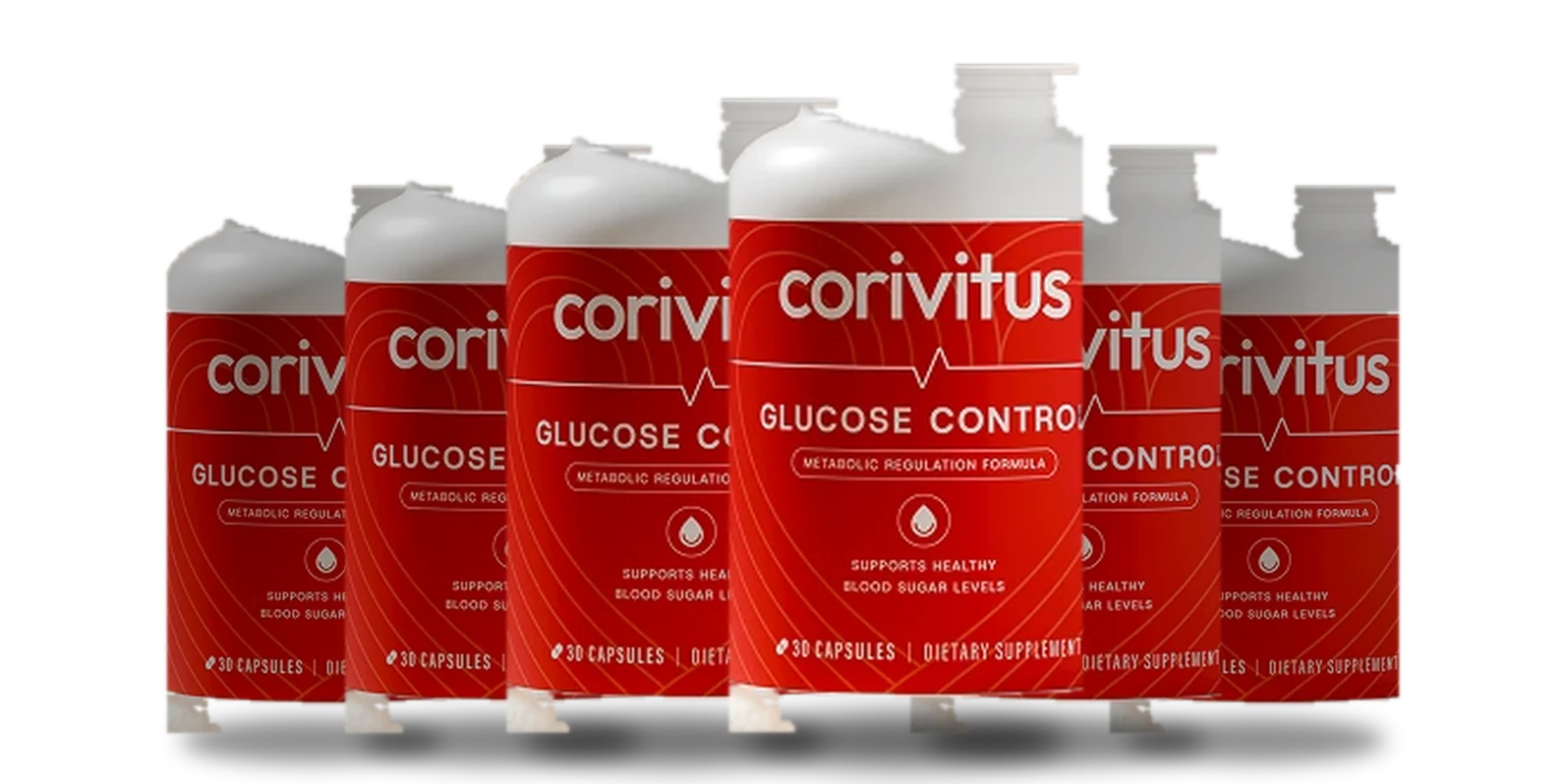
Corivitus pairs chromium and vitamin D with a botanical Glucose Control blend to support a balanced diet. The six-bottle bundle is the best value at $49 per bottle, with free U.S. shipping and a 30-day guarantee.
Order Corivitus — from $49/bottleWhere does a supplement fit?
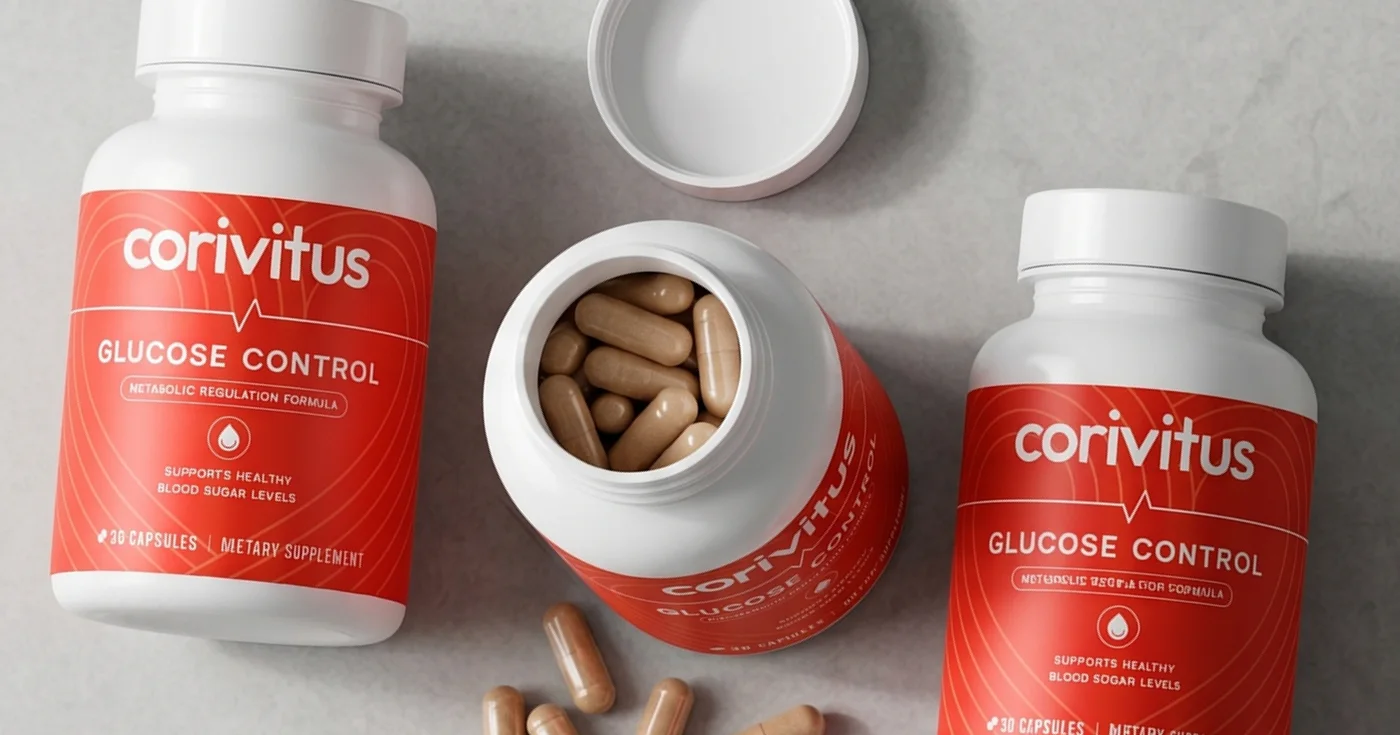
Food is the foundation, full stop. A supplement is exactly that — a supplement to a good diet and regular activity, never a substitute and never a treatment for any condition. That said, some nutrients have long been part of the blood-sugar-wellness conversation, and a formula like Corivitus brings several together in one daily capsule: chromium and vitamin D plus berberine, gymnema, turmeric, cocoa, cinnamon, banaba and bitter melon. To understand two of the headline actives, read our guide to berberine and chromium for blood sugar.
Frequently asked questions
What foods lower blood sugar the fastest?
No single food lowers blood sugar instantly, but non-starchy vegetables, protein and healthy fats slow digestion and blunt the after-meal rise. Eating them before the starchy part of a meal measurably flattens the spike.
Are there foods that raise blood sugar quickly?
Yes. Refined carbohydrates and sugary drinks — white bread, pastries, soda and fruit juice — digest fast and send glucose up sharply. Choosing whole, fibre-rich versions and pairing them with protein or fat softens the rise.
Is fruit bad for blood sugar?
Whole fruit is generally a good choice because its fibre slows sugar absorption. Berries, apples, pears and citrus are lower-impact picks. Fruit juice, which removes the fibre, is the version to limit.
Can a supplement replace a healthy diet for blood sugar?
No. A supplement like Corivitus is designed to support a balanced diet and regular activity, not replace them. Food and movement are the biggest levers; a supplement is a complement to that foundation.
How does meal order affect blood sugar?
Eating vegetables and protein before the starchy part of a meal leads to a lower rise in glucose afterward than eating the same foods in the reverse order. It is a simple, free habit.
What is a simple blood-sugar-friendly plate?
Half the plate non-starchy vegetables, a quarter lean protein, and a quarter whole, intact carbohydrates, with a little healthy fat. Add a short walk after the meal to flatten the rise further.
Try Corivitus risk-free for 30 days →
Corivitus is a dietary supplement, not a treatment for any medical condition. These statements have not been evaluated by the Food and Drug Administration. This product is not intended to diagnose, treat, cure or prevent any disease. Always consult a qualified healthcare professional about your individual needs.
References & further reading
- National Center for Complementary and Integrative Health (NCCIH). Diabetes and Dietary Supplements. nccih.nih.gov/health/diabetes-and-dietary-supplements
- National Institutes of Health, Office of Dietary Supplements. Chromium — Fact Sheet for Health Professionals. ods.od.nih.gov/factsheets/Chromium-HealthProfessional
- Reynolds A, Mann J, Cummings J, Winter N, Mete E, Te Morenga L. Carbohydrate quality and human health: a series of systematic reviews and meta-analyses. Lancet. 2019;393(10170):434–45. PMID 30638909
- Post RE, Mainous AG 3rd, King DE, Simpson KN. Dietary fiber for the treatment of type 2 diabetes mellitus: a meta-analysis. J Am Board Fam Med. 2012;25(1):16–23. PMID 22218620
- Carter P, Gray LJ, Troughton J, Khunti K, Davies MJ. Fruit and vegetable intake and incidence of type 2 diabetes mellitus: systematic review and meta-analysis. BMJ. 2010;341:c4229. PMID 20724400
- National Center for Complementary and Integrative Health (NCCIH). Cinnamon. nccih.nih.gov/health/cinnamon
- Examine.com. Banaba (Lagerstroemia speciosa). examine.com/supplements/banaba
These references describe the foods and ingredients in general terms and do not constitute evidence that any product treats, cures or prevents any condition.
Keep reading: how to support healthy blood sugar naturally · berberine and chromium for blood sugar · back to the Corivitus blog · homepage.